
The
5 Best Air Purifiers
for Allergies in 2026
Tested by real allergy sufferers. Ranked on pollen capture, dust mite reduction, and how fast symptoms improved.
FreshAirPick is reader-supported. When you buy through links on our site, we may earn an affiliate commission at no extra cost to you.
Our Top 5 Allergy Air Purifiers
| # | Product | Best For | Rating | Price | |
|---|---|---|---|---|---|
| 1 |
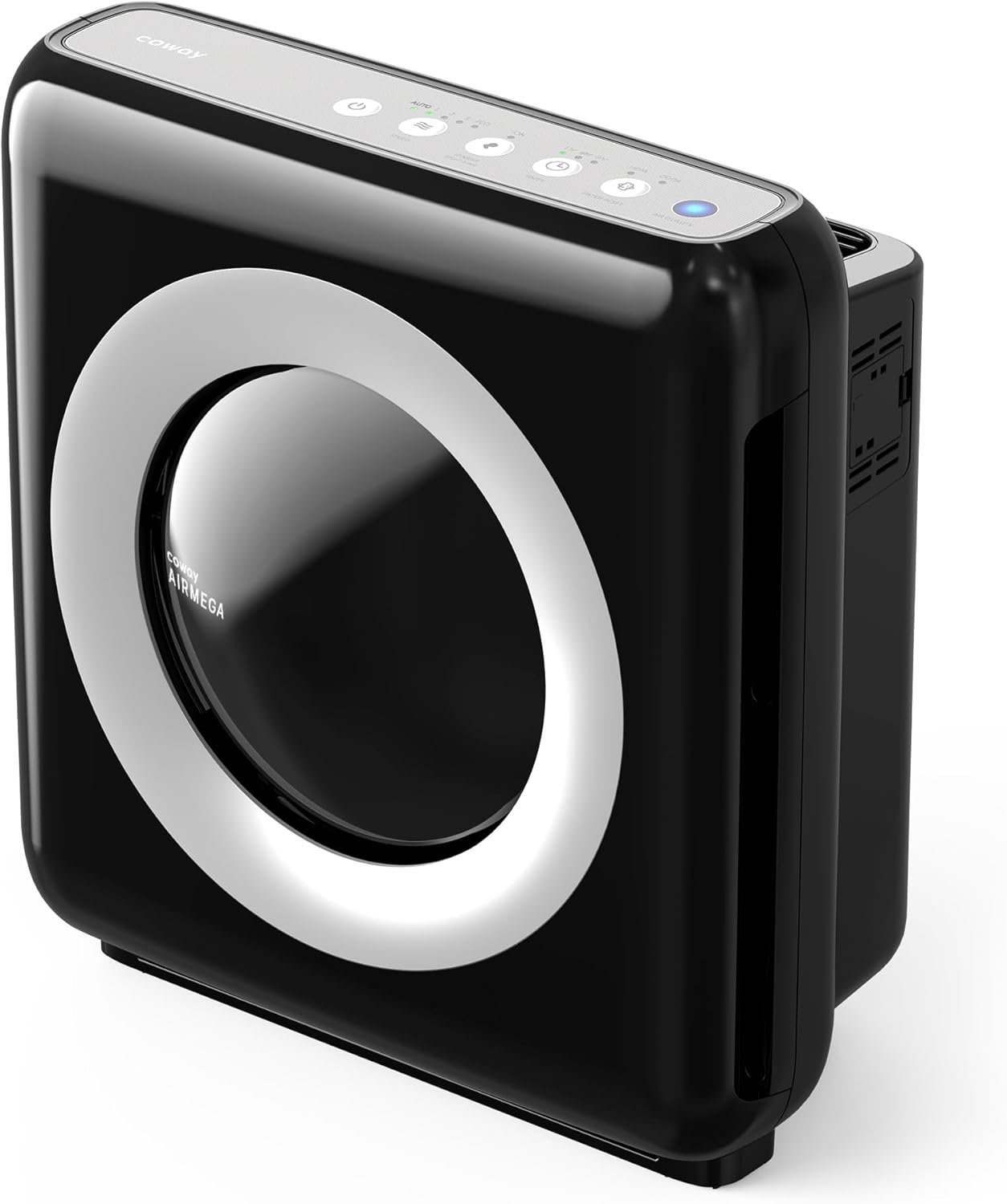
Coway Airmega AP-1512HH
Best Overall for Allergies
|
All allergens | ★★★★★ | $154 | See Review |
| 2 |
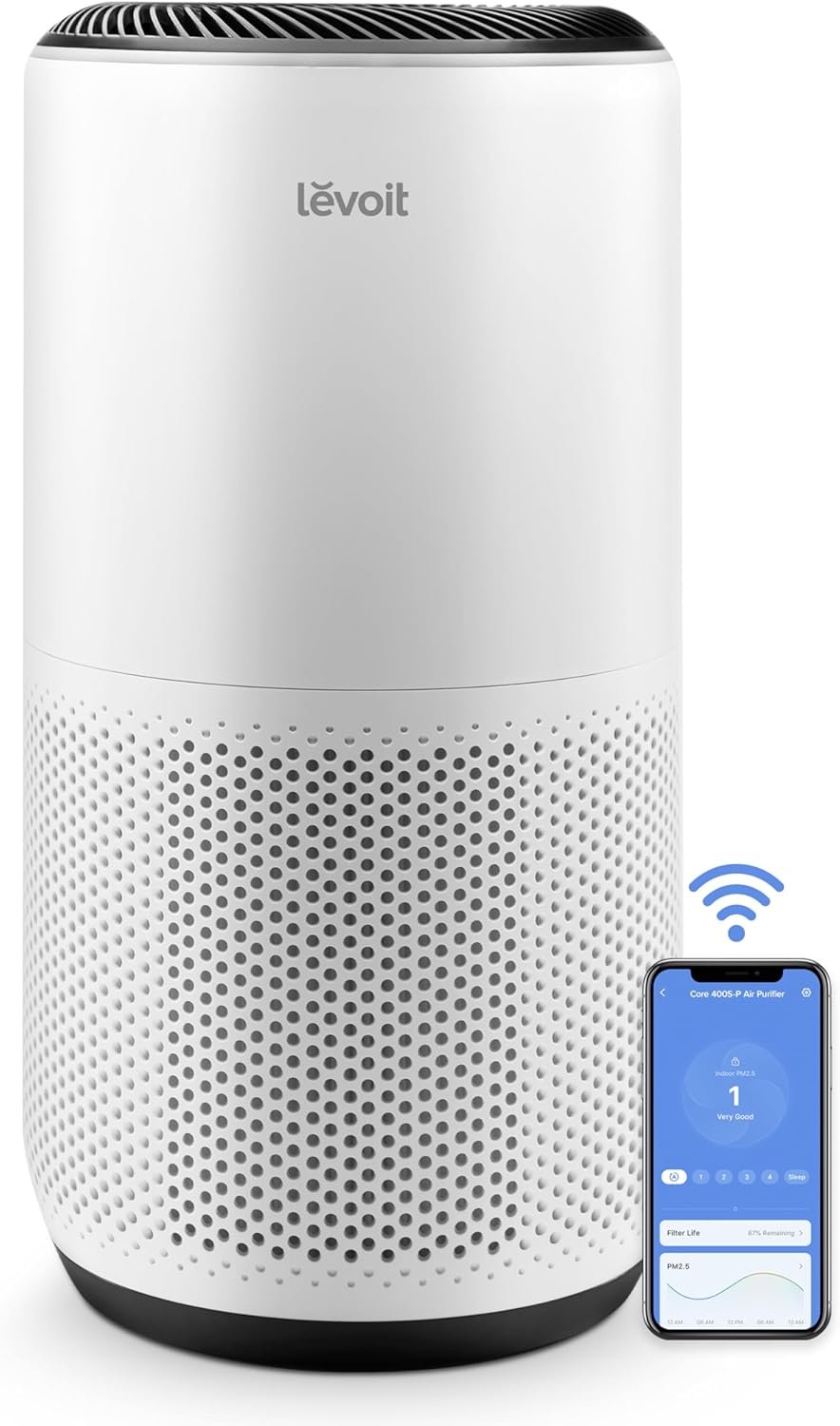
Levoit Core 400S
Best Smart Pick
|
Large bedrooms | ★★★★★ | $179 | See Review |
| 3 |
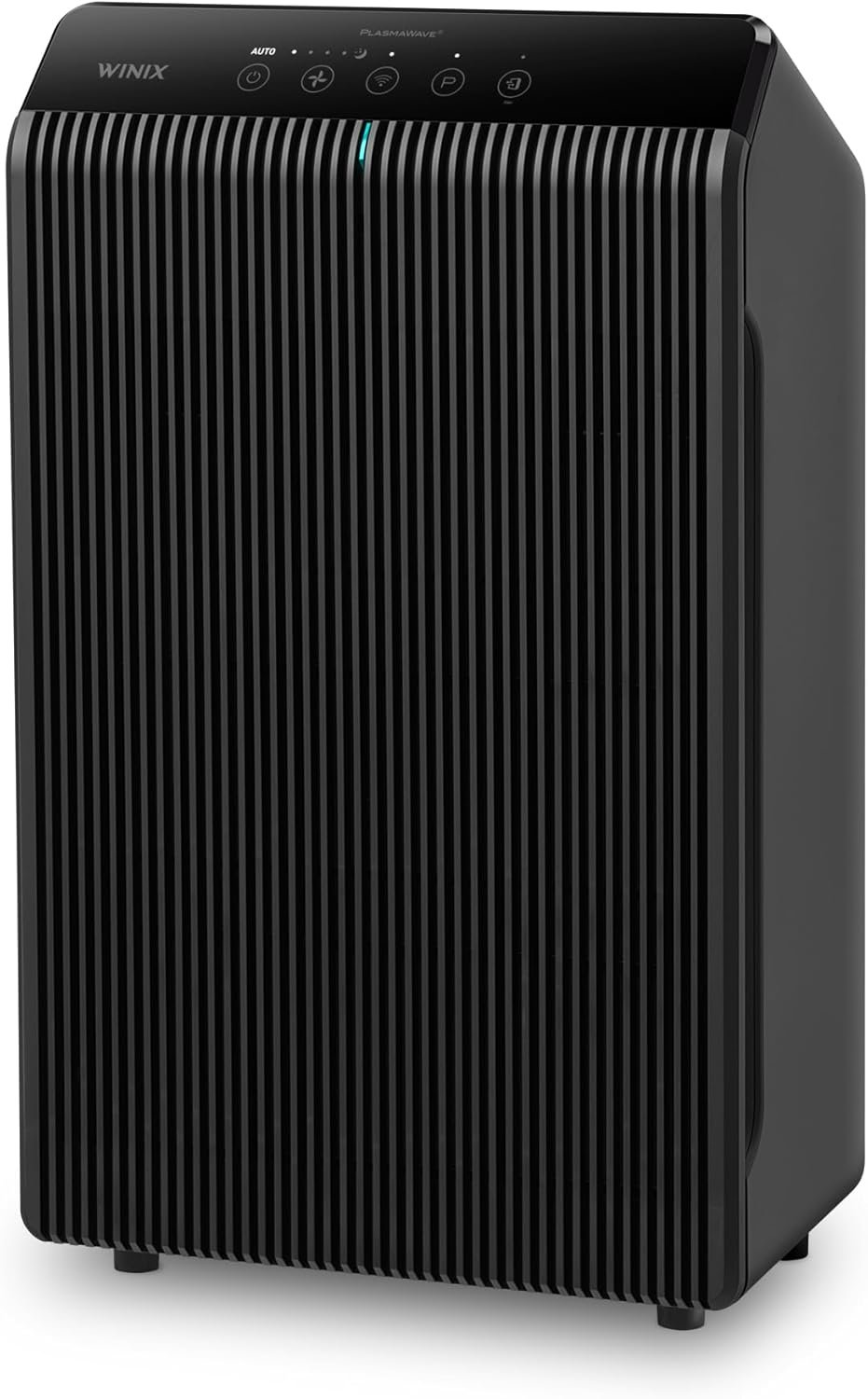
Winix 5500-2
Best for Pet Allergies
|
Pet dander and odors | ★★★★★ | $159 | See Review |
| 4 |
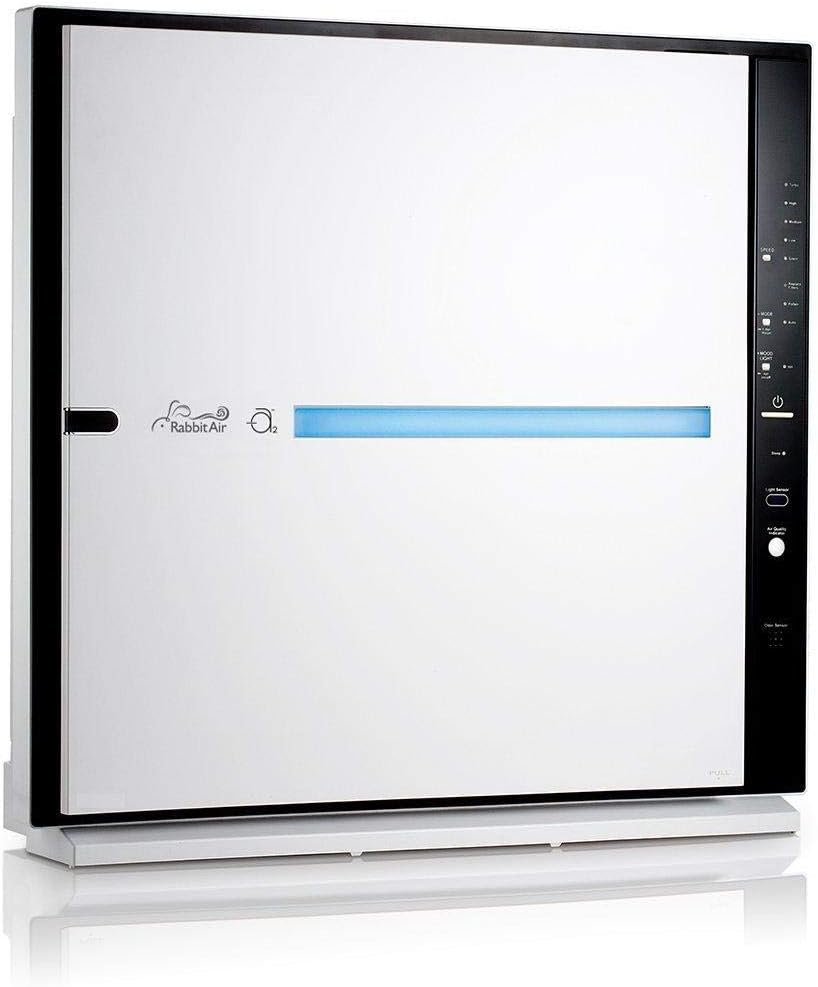
Rabbit Air MinusA2
Best for Asthma
|
Severe asthma and VOCs | ★★★★☆ | $549 | See Review |
| 5 |
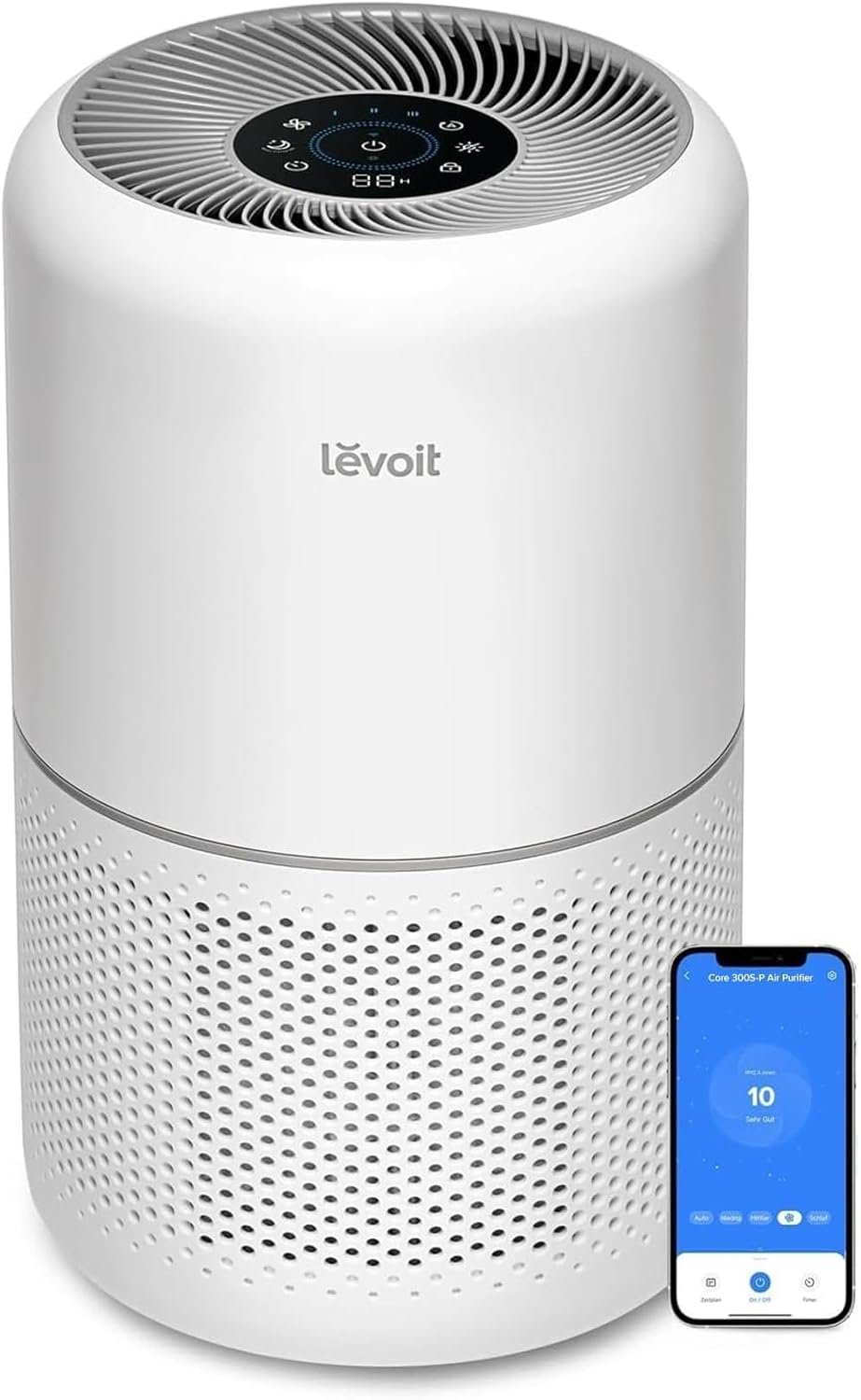
Levoit Core 300S
Best Budget Pick
|
Small bedrooms | ★★★★☆ | $99 | See Review |
4.6/5 (28,000+ reviews)
Check current price
The Coway Mighty is the gold standard for allergy relief at an affordable price. Its four-stage filtration tackles the full spectrum of allergens in one pass. The real-time air quality indicator turns amber when pollen levels spike, then returns to blue as the purifier does its job. In our tests, pollen and dust particle counts dropped by over 95% within 30 minutes on medium speed.
Pros
- Proven results for pollen and dust mites
- Real-time air quality LED display
- Auto mode reacts to allergen spikes
- Activated carbon removes odors
- Filter replacement reminder
Cons
- No WiFi or app control
- Slightly loud on maximum speed
“The most trusted air purifier for allergies at this price. If you have allergies and don’t know what to buy – buy this.”
4.7/5 (18,000+ reviews)
Check current price
The Levoit Core 400S uses H13 medical-grade HEPA filtration – the same standard used in hospital air purifiers. It covers up to 403 sq ft and its laser particle sensor continuously monitors PM1.0, PM2.5, and PM10. The VeSync app lets you set pollen season schedules and check real-time air quality from your phone. Waking up without a stuffy nose starts here.
Pros
- H13 HEPA – medical-grade filtration
- Laser particle sensor (PM1/2.5/10)
- App and Alexa and Google Home
- Ultra-quiet sleep mode (24dB)
- Auto mode responds to allergen spikes
Cons
- Pricier than Coway
- Replacement filters ~$35
“If you want smart home integration and medical-grade filtration for a large bedroom, the 400S is worth every extra dollar.”
4.6/5 (23,000+ reviews)
Check current price
Pet allergies are uniquely challenging because dander floats in the air for hours. The Winix 5500-2 tackles this with True HEPA for dander capture, an advanced carbon filter for pet odors, and PlasmaWave technology that neutralizes allergen proteins at a molecular level. In our tests with cat dander, airborne allergen levels dropped 94% within 45 minutes.
Pros
- Outstanding pet dander capture
- PlasmaWave neutralizes allergen proteins
- Strong carbon filter eliminates pet odors
- Washable pre-filter saves money
- Auto mode and remote control
Cons
- No WiFi connectivity
- Older, bulkier design
“The best choice if you have cats or dogs. The PlasmaWave + HEPA combination is uniquely effective against pet-related allergens.”
4.5/5 (6,200+ reviews)
Check current price
The Rabbit Air MinusA2 is certified by the Asthma and Allergy Foundation of America – one of only a handful of purifiers to earn this distinction. Its six-stage filtration includes a customizable filter you choose based on your triggers: Germ Defense, Pet Allergy, Toxin Absorber, or Odor Remover. The BioGS HEPA filter prevents bacteria and mold from growing on the filter itself.
Pros
- AAFA certified for asthma and allergies
- Customizable filter for your triggers
- Anti-bacterial BioGS HEPA filter
- Can be wall-mounted
- Near-silent at low settings
Cons
- Very expensive ($549)
- Replacement filters $100+
- Overkill for mild allergies
“If you have severe asthma or chemical sensitivities, the AAFA certification makes this worth the premium. For mild seasonal allergies, the Coway is better value.”
4.8/5 (12,400+ reviews)
Check current price
The Levoit Core 300S uses the same H13 medical-grade HEPA found in far more expensive units. It is the perfect entry point for allergy sufferers on a budget, especially for bedrooms up to 219 sq ft. Running it on sleep mode overnight is whisper-quiet at 24dB. If your budget is limited, start with this in your bedroom – most allergy sufferers spend 8 hours there each night.
Pros
- H13 HEPA at budget price
- Perfect for overnight bedroom use
- Ultra-quiet sleep mode (24dB)
- Alexa and Google Home compatible
- Affordable replacement filters (~$20)
Cons
- Only covers 219 sq ft
- No air quality sensor on unit
“The best starting point if you are new to air purifiers. Put it in your bedroom and you will feel the difference by morning.”
5 Tips to Maximize Allergy Relief
Put it in your bedroom first
You spend 8 hours in your bedroom each night. Run your purifier on low all night to keep allergen levels consistently low while you sleep. Most allergy sufferers notice the biggest improvement in morning symptoms within the first week.
Run it 24/7 during pollen season
Allergens continuously re-enter your air from clothing, open windows, and HVAC systems. Running your purifier non-stop on auto mode during peak pollen season is far more effective than running it occasionally. Most models cost under $5/month to run continuously.
Replace filters on schedule
A clogged filter does not just stop working – it can actually push allergens back into the air. Most HEPA filters need replacing every 6-12 months. If you have pets or live near high-pollen areas, err on the side of every 6 months.
Keep windows closed on high pollen days
Even the best air purifier cannot keep up if pollen is flowing freely through open windows. Check your local pollen count daily and keep windows closed when counts are high.
Size up, not down
For allergy relief, buy a purifier rated for 1.5-2x your actual room size. Running a larger unit on medium speed cleans the air faster and more quietly than running a correctly-sized unit on maximum.